Categories
Leadership

Goagoseb Urges Stronger Stakeholder Communication for National Progress

Despite Namibia’s recent strides in green hydrogen, the nascent sector remains widely misunderstood.

According to Ricardo Goagoseb, Hyphen Hydrogen Energy’s Communications and Stakeholder Relations Lead, the project requires clear, long-term communication and policy engagement.

Goagoseb emphasised the need to engage local governance structures and community voices in national projects.

“It is important to use the established structures. Go to the people, through the structures, because when you work through structures, you empower not just the authorities, but the leadership that the people choose,” he stated.

He stressed the long-term vision of the project, especially for Namibia’s youth, who make up over 70% of the population.

“This is not for us. This is for our children and their children. If we get the communications and policy engagement wrong now, they will pay the price later.”

Addressing the issue of equity and inclusion, Goagoseb pointed to a communication gap after only one out of 107 green hydrogen scholarships went to a student from southern Namibia.

“That signaled a disconnect,” he said, which led to the decision to appoint Community Relations Managers in the southern regions.

He noted that although Hyphen has funded about 300 Namibians for master’s and PhD studies in fields like chemical engineering and green energy, this has not been clearly communicated.

Many are unaware that the scholarship program is in its third round, underscoring the responsibility of leaders to share this information effectively.

Hyphen signed a $10 billion feasibility and implementation agreement with the Namibian government in May 2023 for the project in the Tsau Khaeb National Park. The project aims to create 15,000 construction jobs and 3,000 operational jobs, with about 90% of jobs going to Namibians, while transforming the country into a global renewable energy leader.

Goagoseb clarified that no taxpayer money was used for the government’s 24% equity stake in the project, as it was financed through international grants.

“The only place where public funds have been used, for example, is the establishment of the green energy program, where governance structures must be there and those structures cannot be paid for by private capital. That’s a story we must tell to avoid misinformation,” he explained.

As the government continues its nationwide stakeholder engagements, Goagoseb urged communicators to bridge the gap between policy and the public.

“Speak the languages people understand. Use the platforms they trust. Translate, localise, and humanise the message. Only then will the green hydrogen dream truly belong to the people,” he said.


Categories
Uncategorized

The Evolving Role of PR and the Growing Importance of Content

Lis Anderson

When I started in public relations, it was all about bylines, deadlines, headlines and a select number of broadcast channels, with events and activations part of the PR mix for good measure.

Fast forward 20-plus years, and the industry has undergone significant changes driven by advancements in tech, shifts in media consumption, and the evolving expectations of audiences that make it easier for brands to communicate with them directly.

But lately, things feel different.

The Currency Of PR Today

We’re seeing drops in circulation figures year- on-year. Old-school patch reporting is getting more difficult, as outlets seemingly have ever-increasing patch areas to cover with dwindling staff numbers.

There’s an increasing erosion of trust in once- fabled news institutions, while publishing companies and titles seek to revive lost revenue in the form of gated news and content.

Then there’s the battle for clicks. So much is driven now by what the search engine shows you in the first few seconds. If you’re not above the fold, do you even exist? The currency of PR has shifted massively.

We’re seeing a huge increase in more digital- first briefs. As businesses are looking to improve their online trust signals, they are approaching agencies to increase their digital footprint, implement SEO strategies and build out backlink presence.

Content is big, and it’s only getting bigger. I would say content has now become the primary vehicle for brands looking to build reputations and engage with audiences.

The Power Of Storytelling In The Digital Age

PR leaders have always been storytellers, and the most successful stories are the ones that tell real, authentic stories. Consider the example of the Lego Foundation donating Lego versions of MRI scanners to hospitals across the world.

Stories like this cut through because they go beyond promoting products or services to engage audiences more and build lasting relationships. There is no silver bullet, but to give your brand the best chance, consider engagement before impressions and reach. 

Create purpose-led content that isn’t pushy, and work to develop messaging that puts honesty and purpose at the forefront.

Navigating The Multichannel Maze

One of the challenges— and opportunities—is the multichannel maze. We can no longer rely on one channel or strategy. We must now focus on multiple platforms that each play a part in the overall story.

You wouldn’t put the same content on LinkedIn as you would on TikTok, but there’s value to be found in both. This demands a deeper understanding of audience behavior and content trends, and it requires PR leaders to be more agile and creative in their approach.

Take the time to learn what content works for you.

The Ethics Of Content-Driven PR

PR leaders also need to consider ethics as we become increasingly more content-centric. With the power to reach and influence audiences more directly than ever before, we also have a greater responsibility to be transparent, accurate and authentic in communications.

People become affixed to brands and businesses they care deeply about and that align with their ethos. When those businesses veer off course, the impact isn’t just reputational—it also hits the bottom line.

The future of PR isn’t just about creating and distributing content for the sake of creating content. It’s about creating content that means something, and if that means prioritising long-term goals over short-term wins, so be it.

The Challenges We Face

More content production will inevitably lead to greater content saturation as consumers become increasingly more curatorial in their content, which will only lead to a more competitive landscape.

As leaders, we need to react accordingly to ensure messaging and corporate positioning are in line with these kinds of societal shifts. 

Understanding your audience is critical. If you don’t know what makes them tick, you can never truly engage.

Give your teams the time to research and react to trends. Fundamentally, never try to obfuscate, and always align content with purpose.

Lis Anderson is founder and director at PR consultancy AMBITIOUS.

Categories
Thought Leadership

The Age of Radical Clarity

We live in a time when attention is thin and scepticism is thick. People do not want more messages; they want meaning they can trust.

Radical clarity is the answer. It is not dumbing down. It is choosing words that meet people where they are and move them somewhere better.

Clarity begins with intent. If you cannot say why this message matters in one sentence, you are not ready to send it. 

Cut the jargon, cut the small print, and say what is true and useful. Honesty is faster than trying to spin a story. When something goes wrong, acknowledge it, explain what is being done and when people can expect progress. The moment you respect your audience, they respect you back.

Clarity also means consistency. If internal messages say one thing and external campaigns say another, trust disappears.

Align the story from the inside out. Employees are your first audience and your most persuasive ambassadors. Give them context, not just slogans, and they will carry the message with authenticity.

Format matters. Long paragraphs that hide the point will be skipped. Use strong openings, clean structure and human examples. Think in moments, not memos. A short video from a leader can sometimes do more than a five-page update. Timing is a form of clarity too. Share early, then keep people updated at a steady rhythm. Silence breeds theories. A simple “here is what we know now” keeps anxiety down and goodwill up.

Radical clarity is courageous. It refuses to hide behind passive voice and safe phrases. It names the risk and still offers hope. It chooses tone carefully: warm, direct, free of corporate stiffness. People can feel when a message has a human behind it.

That is what turns communication into connection. When you practise clarity, you save time. Fewer follow-up questions, fewer missteps, fewer reputational repairs. In a noisy world, the clearest voice wins. Not because it shouts, but because it tells the truth, simply and well.

Hileni Amadhila is the senior public relations, stakeholder and communications consultant at Old Mutual Namibia.

Categories
Uncategorized

MTC Branding and Marketing Indaba excellence awards – the Judges

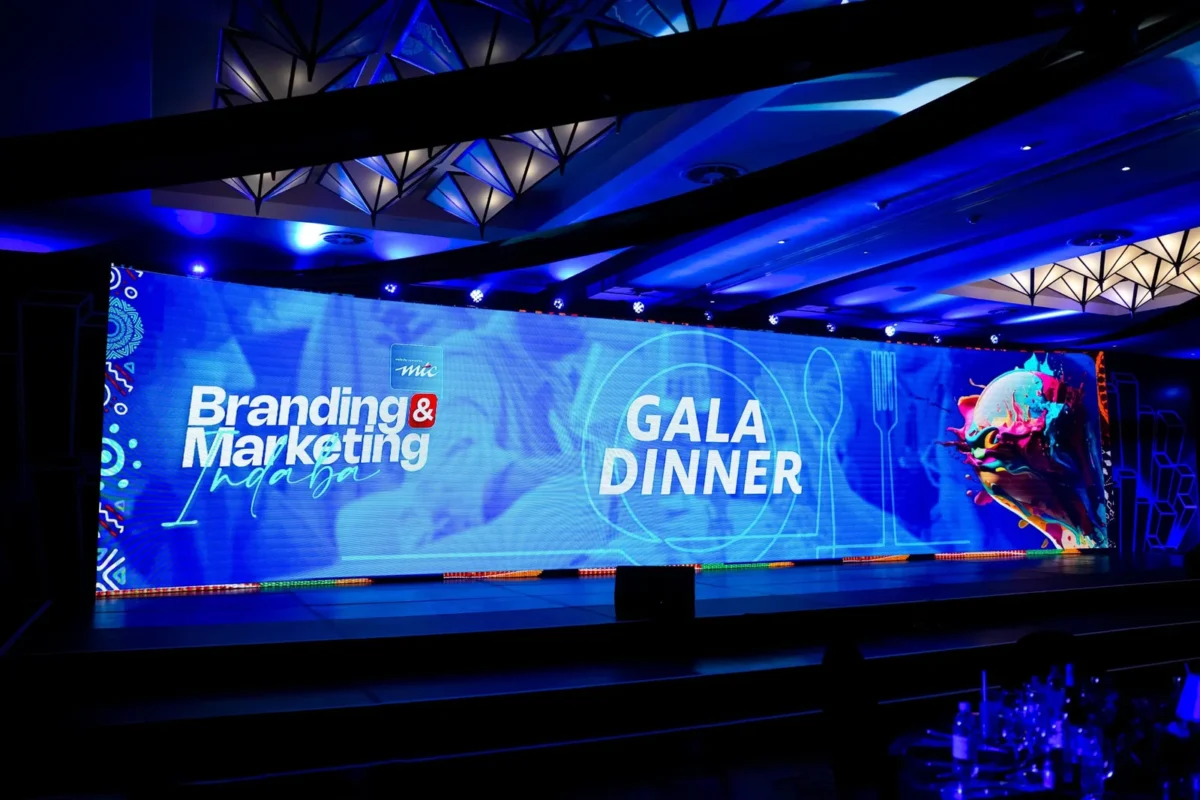
The second MTC Branding and Marketing Indaba will take place from 8–10 April under the theme ‘Marketing from the Heart’.

Last year’s inaugural event brought together over 300 delegates and 30 exhibitors, while the 2026 edition is expected to attract industry experts to discuss branding, marketing, communications, and advertising trends.

It will feature 18 excellence award categories to honor outstanding industry innovation. Six judges have been selected for the award ceremony slated for 10 April.

Speaking on the judges, MTC’s Chief Brand, Marketing, Communications & Sustainability Officer Tim Ekandjo underscored the appointment of an independent panel of judges as key to maintaining credibility and fairness to the adjudicating process.

“The judges will thus draw on their extensive professional experience and industry knowledge to rigorously and with transparency evaluate submissions based on the quality of work presented, supporting evidence, strategic intent, execution, and measurable impact,” he said.

The judges are:

  1. Talitha Jario – PR Consultant, Mentor & Speaker – a Communications professional with over 15 years of experience in PR, marketing, and strategic communications, and vast skills in brand management, crisis response, and content strategy.
  2. Ashton Dube – Strategic Communications Consultant – a Marketing professional with expertise in digital marketing, brand development, marketing strategies, and delivering innovative brand executions that drive growth and engage audiences.
  3. .Josy Nghipandua – An award-winning public speaker and Founder of QoS Media House, a dynamic hub for events, brand mastery, and transformative communication skills. She is celebrated as one of Namibia’s most versatile and sought- after Masters of Ceremonies.
  4. Roux-ché Locke – Communications Specialist and Media Personality – a seasoned corporate communications specialist and media personality with over 20 years’ experience at the executive level within corporate relations, brand public relations, crisis management, and media strategy. She has played a pivotal role in shaping corporate narratives and aligning communication strategies with business objectives.
  5. Natasja Beyleveld – is the Managing Director and owner of Namibia Media Monitoring (NaMedia). She has 18 years of expertise in public relations and media monitoring under her belt.
  6. Femi Kayode – an award-winning novelist and the Executive Director of Stratosphere Advisors. With over 20 years in advertising, his work spans a broad range of local and international brands.
Categories
Leadership

NamRA Beats Revenue Targets Through Strategic Communication

The Namibia Revenue Agency (NamRA) has grown revenue collection by 67% since its launch in 2021 — a feat Commissioner Sam Shivute credits to bold leadership and strategic communication.

“We grew revenue collection by 67%. The target was 49%, then 52%. Initially, the revenue target was N$83 billion, later revised to N$85 billion, but we ended up collecting N$88 billion. This is the result of intentional communication,” Shivute said.

NamRA, launched on 7 April 2021, took over revenue collection from the Customs and Excise Directorate and the Inland Revenue Department under the Ministry of Finance.

According to Shivute, success lies in a clear vision that staff and stakeholders embrace.

“Our vision is to be a world-class revenue agency serving with passion to positively impact the livelihood of every Namibian.”

That impact, he noted, is visible in hospitals, roads, and pensions funded through taxes.

“We set a bold vision, one that inspires staff and stakeholders alike. Even those who initially didn’t see the connection between our work and their daily lives now understand the broader impact of tax collection,” he said.

To overcome resistance, particularly from multinationals avoiding taxes, NamRA launched its own internal platform known as NamRA Kachenu to tell its story directly through newsletters, audio, and visual content.

“You must tell your own story. Nobody can tell your story better than you,” Shivute stressed.

He urged other institutions to adopt self-awareness, act proactively, and communicate strategically:

“Be intentional, tell your story, and drive the narrative.”

Categories
Women In Business

“Why not try something new?”

Staff writer


The Founder caught up with content creator Jenita “Dulla” Amupolo. Born in Otjiwarongo and raised in Windhoek, she has evolved from nail technician to multimedia entrepreneur by harnessing the power of digital platforms.

The Founder (TF): What inspired you to start your journey as an influencer, and how has your brand evolved over time?

Jenita “Dulla” Amupolo (JA): My journey began unexpectedly. On 4 November 2023, a close friend—who is now my manager—invited me to join Central Audio Records as a content creator. Even though the label primarily focuses on music, they were branching out with a new Content Hub initiative. At the time, I was simply at home, bored, and thought, “Why not try something new?”

We started creating content for YouTube, and things took off faster than I imagined. My third video, Smash or Pass, hit over 15,000 views within a month. That traction gave me the confidence to keep going. Snippets from the video went viral on TikTok, reaching over 500,000 views. That was a defining moment—it truly felt like I had “blown up.” Since then, my brand has continued to grow into what I now proudly call Dulla-licious.

TF: How do you define your niche, and what sets your voice apart in a crowded digital space?

JA: If I had to describe my niche in one word, it would be Dulla-licious—a fusion of my name “Dulla” and “delicious,” because that’s exactly what I strive to be: a unique flavor in the digital space.

What sets me apart is my authenticity. I’m not chasing trends or trying to impress anyone. I stay in my lane, focus on what I do best, and mind all of my businesses—literally and figuratively.

TF: How do you maintain engagement and trust with your audience?

JA: Love and respect go a long way. I constantly show appreciation to my audience—whether it’s interacting with their posts online or having friendly conversations when we meet in person. When you genuinely show love, it’s reciprocated.

TF: How do you manage the business side of influencing—finances, legal, marketing?

JA: I’m fortunate to have a strong support system. My manager oversees the marketing side of things and is highly skilled in social media strategy and budgeting. On the legal side, I have trusted law practitioners within reach to ensure that my business affairs are handled professionally and securely.

Jenita “Dulla” Amupolo says authenticity is what sets her apart as an influencer.

TF: What challenges have you faced scaling your influence into a sustainable business?

JA: The transition has been smooth for me. My influence has played a major role in accelerating the growth of my businesses. From Nails By Dulla to my content and music career, influence has been a tool, not a hurdle.

TF: How do you stay ahead of trends while remaining authentic to your voice?

JA:  I treat social media like a research lab. I’m always online—not just posting, but studying human behaviour, engagement patterns, and what drives people to take action. This constant observation helps me stay up to date with trends while keeping my content true to who I am.

TF: What do you think the future of influencer marketing looks like in the next 5 years?

JA: If we’re talking about Namibia, real growth in influencer marketing will only happen if international investors—especially major labels and brands—start tapping into our talent. With the right funding and global attention, we could see Namibian influencers hitting Tyla-level engagement. But until then, progress may be slower. Like I always say, next-level marketing requires next-level money.


Categories
Leadership Thought Leadership

Rethinking Financial Resilience on World Savings Day

Samuel Linyondi

Saving money has become more complex in today’s world, with instant gratification, rising living costs and intricate financial systems making it easy to feel overwhelmed.

As world-renowned author Tony Robbins notes, consistency transforms average into excellence, a principle that applies perfectly to saving. As we mark World Savings Day on 31 October, it is a timely reminder that saving remains one of the most effective ways to build personal freedom, financial resilience and drive social progress.

This year’s theme, “Money on Your Mind,” encourages us to see saving as a path to security and independence.

What does saving mean today?

Traditionally, saving meant setting aside some of your income for emergencies, a simple habit. Today, it is a strategic process involving emergency funds, retirement planning, investing and using digital micro-savings tools.

Saving is no longer just about discipline but designing systems that make it easy, inclusive, and impactful. For instance, Bank Windhoek encourages customers to use its cost-effective self-service and digital channels to manage their banking needs conveniently.

Another example, the Financial Literacy Initiative’s “RetireWise” booklet emphasises the importance of early retirement planning, not just a decade before retirement.

Modern savers face challenges like debt, lifestyle inflation, economic uncertainty, and the lure of easy credit. Saving is about empowerment, taking charge of your financial future, rather than reacting to circumstances.

Why savings matter more than ever

Recent years have shown how economic shocks, such as pandemics, global conflict, and inflation, can disrupt lives. Those with savings recover faster. Savings are not just a safety net but a launchpad for education, home ownership, entrepreneurship, and

dignified retirement. For companies, savings fuel innovation and growth. For economies, they mean stability and long-term prosperity. In essence, saving is the foundation of independence and resilience.

The role of banks and technology

Financial inclusion is crucial for building a savings culture. Digital banking and fintech, such as mobile wallets, micro-investment platforms, and automated savings tools, make saving more accessible.

However, access alone is not enough. Financial institutions must promote literacy, transparency, and trust, helping people understand the “why” and “how” of saving. Technology simplifies saving, but education gives it meaning.

For example, Bank Windhoek consistently shares financial literacy information on its digital platforms, with its customers and the broader public.

Building a culture of saving

World Savings Day is about valuing tomorrow as much as today. This mindset should start early, in schools, homes and workplaces. Saving prepares us for the unexpected, helps us invest in our dreams, and creates a legacy of stability for future generations.

Common practical saving tips

As the year ends and expenses rise, with events such as Black Friday, Christmas, and New Year’s coming up, it is easy to feel financial pressure. World Savings Day is the perfect time to reflect. Here are some actionable tips:

  • Budget: Track income and expenses and set clear savings goals.
  • Start small: Even saving N$100 regularly adds up. The key is to start and keep going.
  • Eliminate expenses: Review subscriptions and avoid impulse buys and unnecessary costs.
  • Use bonuses wisely: If you expect a year-end bonus, consider allocating it to major upcoming expenses to reduce stress in the new year.
  • Automate your savings: Set up automatic transfers to make saving effortless.
  • Build strong habits: Aim to save enough to cover at least three months’ expenses.
  • Leverage Repo Rate reductions: If interest rates drop, save some extra disposable income.

World Savings Day has been celebrated since 1924, and its message remains relevant: saving is essential for personal and collective well-being. Start small, stay consistent and watch your financial resilience grow.

*Samuel Linyondi is Bank Windhoek’s Strategic Communication Manager. The views expressed herein are his own.